What should I bring to my cat’s vet appointment?
Bring a clear timeline of concerns, a list of foods and medications, and any records the clinic requests. A familiar carrier and bedding can help. Ask the clinic in advance about travel anxiety and any preparation for planned procedures.
Appointments can feel busy. Write your main concern first, when you noticed it, and how it differs from normal. Mention changes in appetite, water intake, litter use, movement, and interaction even when they seem unrelated.
Use specific observations and dates.
- List all prescribed medicines, supplements, and recent treatments.
- Bring food names and the usual amounts offered.
- Save short videos of naturally occurring changes if available.
- Write down the questions you want answered before you leave.
Ask what to do at home, which changes need a call, and when follow-up is due. Repeat back instructions if you are uncertain. Keep the clinic’s written plan separate from your own observations so it is clear which actions were prescribed.
Begin with the main change and its timing. For example: “For three days she has approached her evening meal, eaten a little, and walked away; normally she finishes it.” That sentence gives a veterinarian more to work with than a long list of possible diseases. Add the most relevant accompanying changes, such as drinking, toileting, movement, or interaction, without trying to decide which belong together.
Write the concern in your own language. If a behavior has not been witnessed directly, say who saw it or explain why you suspect it. A note can include a question mark. Choose the issue you most want addressed so it is not lost behind routine paperwork. When booking, tell reception the actual concern; a problem visit may need different timing or preparation from a planned preventive appointment.
Ask whether records from a previous practice should be sent ahead and whether the team wants any samples, forms, or particular photographs. Do not assume every appointment requires a urine or stool sample, and do not collect one in a stressful or unsafe way. If collection is requested, ask how, when, and in what container it should be done.
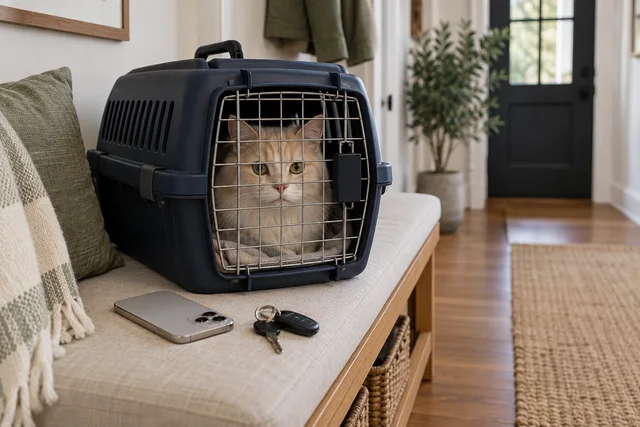
Mention any previous difficulty with transport or handling before the appointment day. The clinic may be able to plan the arrival and examination around that history. Tell them about mobility difficulties, a carrier that cannot be opened from the top, or a cat who becomes distressed in a busy waiting room. These are practical facts, not failures of training. Ask about fasting or usual medicines directly, and keep following the existing plan unless your veterinary team changes it.
 View image
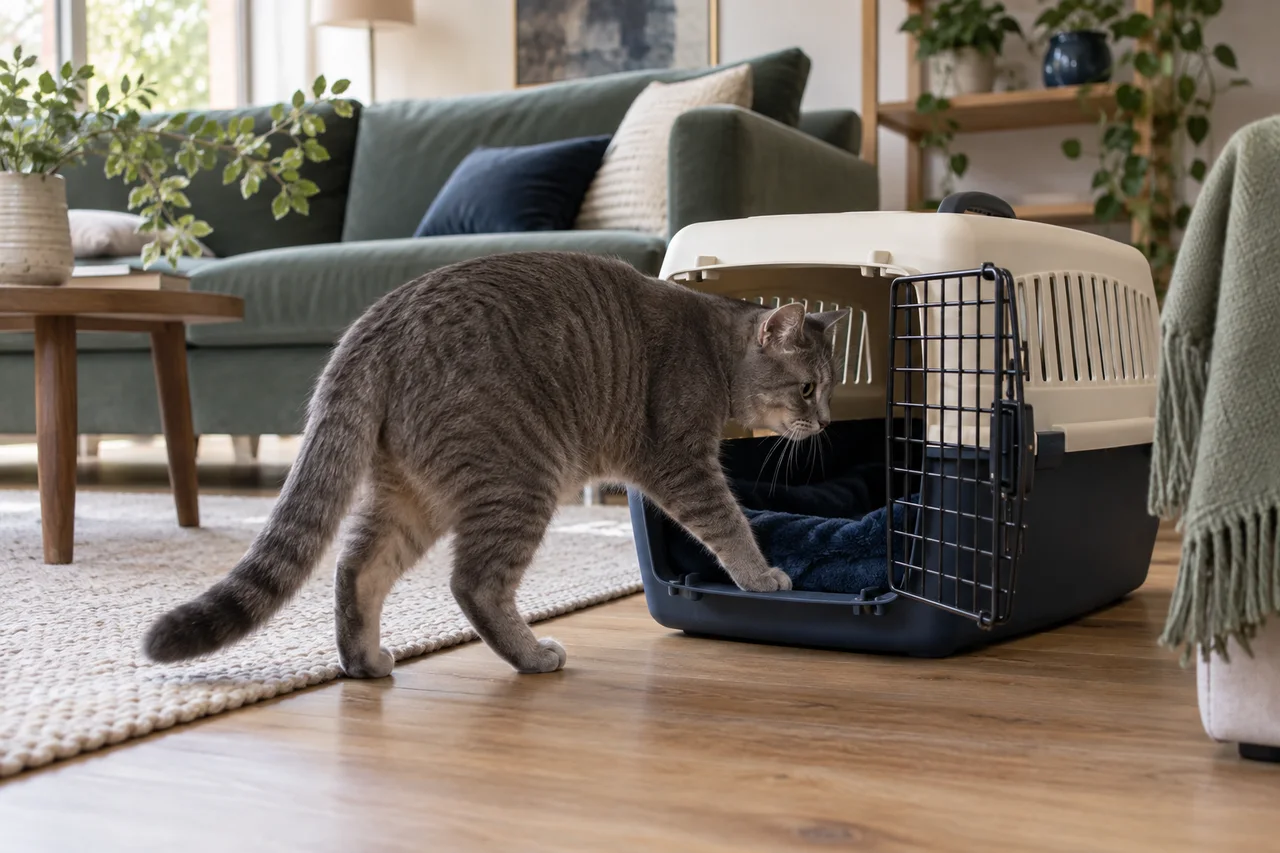
Practice comfortable carrier entry before a planned appointment and ask for help with travel difficulties.
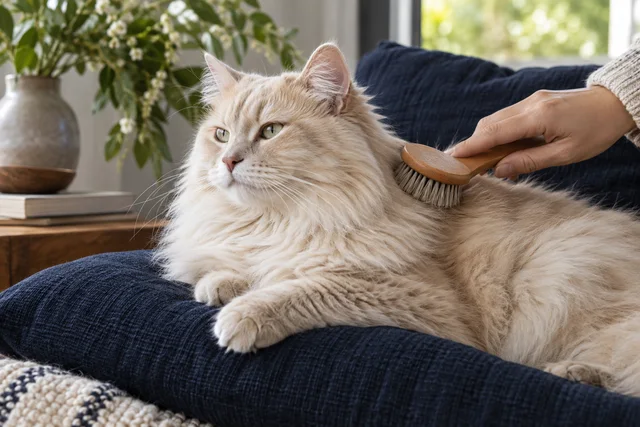
A short video of an ordinary movement or sound can help explain something that is absent in the examination room. Record only if doing so does not delay necessary care or make the cat repeat a difficult activity. There is no need to encourage another painful jump, trigger another coughing episode, or disturb sleep for a better shot.
Choose a few clear examples, label them with the date, and know where they are stored before entering the appointment. Explain the setting: the surface, time of day, and whether the event was typical. A clip does not replace an examination, and an apparently normal clip does not prove that nothing is wrong. Ask the practice how it accepts files if you need to send them in advance; avoid an unrequested stream of large attachments that may not reach the clinician.
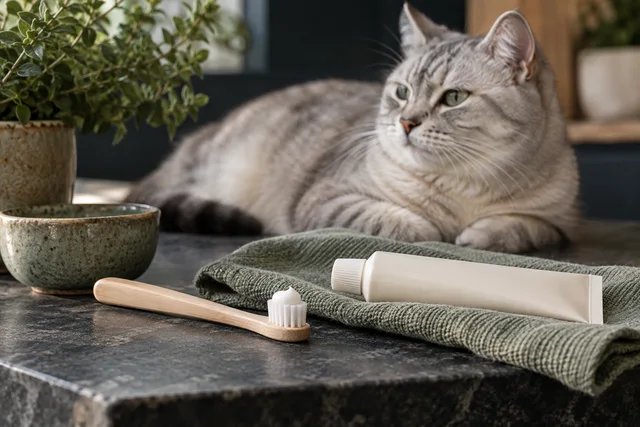
List the exact foods, treats, supplements, prescribed medicines, and parasite products used. Include who gives them and how you record administration. Packaging photographs are often easier to interpret than descriptions such as “the blue tablet” or “the senior food.” If something has been missed, spilled, refused, or possibly given twice, report that plainly. Accurate information helps the team decide what to ask next.
Include practical constraints that may affect a future plan. A cat may accept food from one person, refuse handling, or share access to another animal’s bowl. Your work schedule may make a particular routine difficult. Explain these details early so recommendations can be discussed in realistic terms. The best plan is one the household understands and can actually carry out; silent agreement followed by improvisation creates unnecessary uncertainty.
 View image
Bring the exact food and product information so the veterinary team can understand the whole care routine.
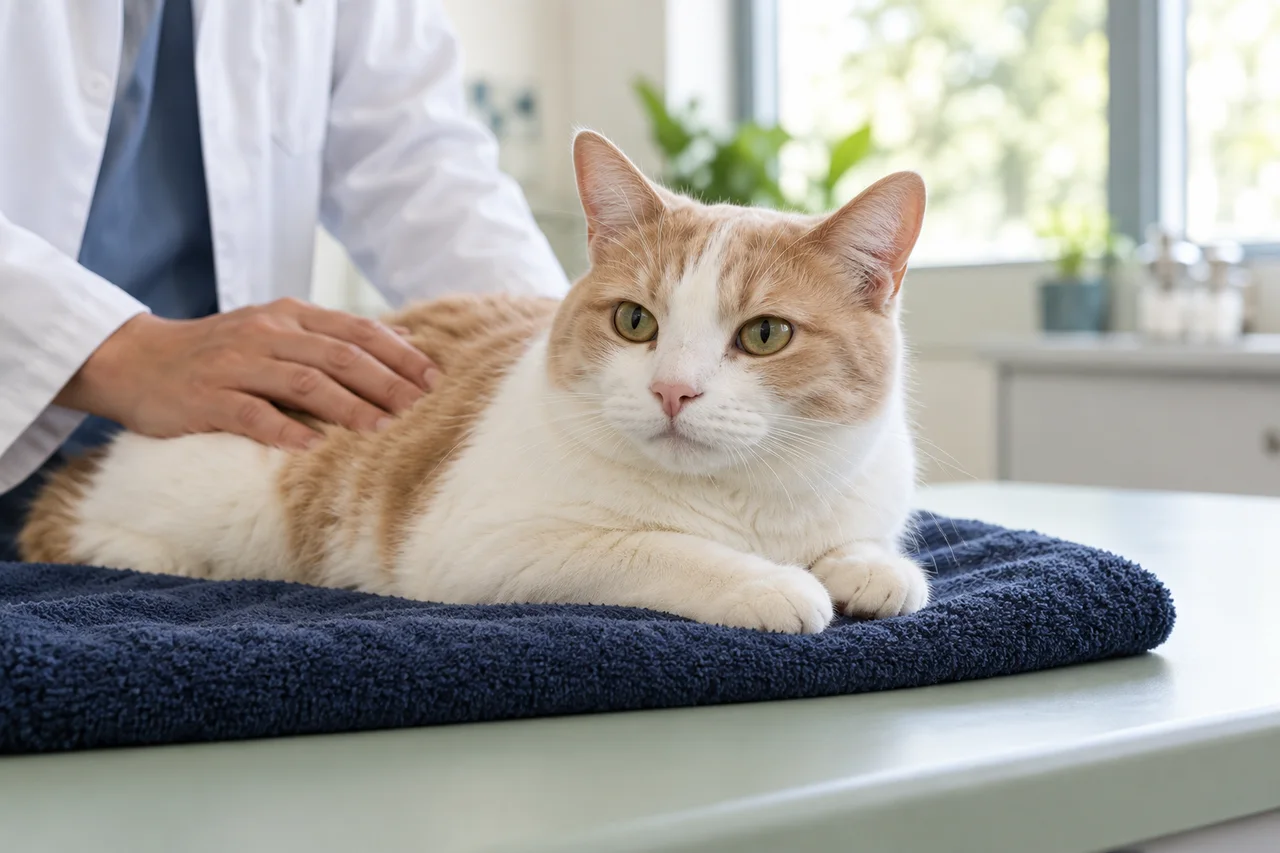
Keep a short list visible and let the clinician know that you brought it. Useful questions include what the examination has established, what remains uncertain, and what a proposed next step would help clarify. If several options are offered, ask how their purposes and practical demands differ. You do not need to memorize technical terms to participate in the conversation.
Repeat a complex instruction back in your own words: “So I continue the current food and call if this particular change happens?” This gives the team a chance to correct a misunderstanding while everyone is present. Ask for written details, costs, and expected follow-up arrangements where relevant. If a recommendation cannot be completed immediately, explain why and ask the team to help prioritize. Do not silently substitute an internet alternative for a plan you have not understood.
Before leaving, confirm whether there are any special instructions for food, activity, other pets, or supervision after that particular visit. A routine examination and a procedure may have very different aftercare. Prepare the home according to the clinic’s directions rather than assuming that every cat needs the same recovery arrangement.
Put the visit summary in one shared place and assign responsibility for the next step. Record appointments and prescribed administration instructions separately from your own notes about appetite or behavior. If several caregivers are involved, identify who will contact the clinic with questions so important updates do not become fragmented. A useful end-of-visit note might read: “Concern discussed; test arranged; clinic will contact us; call this number for these changes.” The details come from the veterinary team, while your contribution is making sure those details remain accessible and consistent.
You know the everyday cat. The veterinary team needs that context.
Keep exploring the evidence.
AI-assisted educational content, with links to veterinary and animal-welfare resources. Not independently reviewed by a veterinarian. Sources are references, not endorsements of Coricat. Images are AI-generated illustrations, not clinical evidence.
Our editorial standards