How can I discuss my cat’s quality of life with the vet?
Describe comfort, eating, drinking, toileting, movement, rest, and access to things your cat enjoys. Note both good and difficult moments over time. Discuss the pattern with your veterinarian; an online score cannot make an individual end-of-life decision.
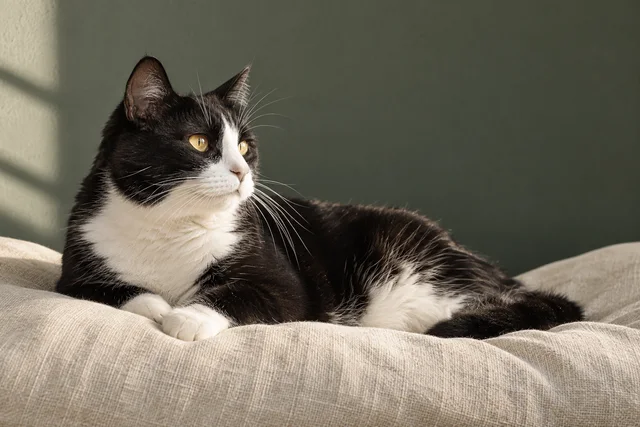
Write down a few recognizable pleasures: choosing a sunny bed, greeting a familiar person, enjoying a meal, or watching outside. Do not turn the list into a pass-or-fail test; it is context for a caring discussion.
Include effort and discomfort as well as the outcome.
- Note activities the cat still chooses and enjoys.
- Record episodes of distress or difficulty and their duration.
- Describe what support was needed.
- Ask which changes are treatable and what comfort-focused options exist.
Ask who to contact out of hours and what would require an urgent call. Discuss your practical ability to provide care honestly. A plan can be revisited as the cat’s condition and needs change.
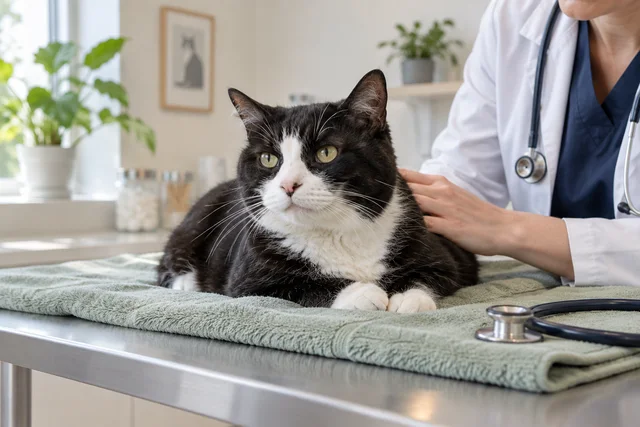
You can ask about quality of life while your cat still has many comfortable moments. The conversation does not commit you to a particular decision. It creates space to understand the current condition, possible changes, and available support before you are trying to absorb everything during an emergency. Tell the veterinary team that you would like time to discuss comfort and future planning.
Ask what they expect from the illness, what remains uncertain, and which changes would alter the plan. Keep the focus on this cat rather than a general age threshold. A cat’s birthday alone does not answer how they are feeling or what care may help. If the conversation is difficult, bring someone you trust to listen and take notes. You are allowed to ask for explanations again; these are important decisions made under emotional strain.
Choose a few activities that have meaning for your cat: eating a familiar meal, resting comfortably, choosing contact, watching the garden, or grooming an accessible part of the coat. Describe whether those activities are still chosen freely and what effort they require. Alongside them, describe discomfort, distress, difficulty moving, or trouble meeting basic needs.
Avoid making one appealing moment carry the entire assessment. A brief greeting may be precious while other parts of the day remain difficult. Equally, one quiet afternoon does not tell the whole story. Share the pattern with the veterinarian, including duration and frequency where you know them. Photographs and memories can help you explain what has changed, but you do not need to assemble evidence to defend your love for the cat. The discussion is about their experience and what can be done to support it.
 View image
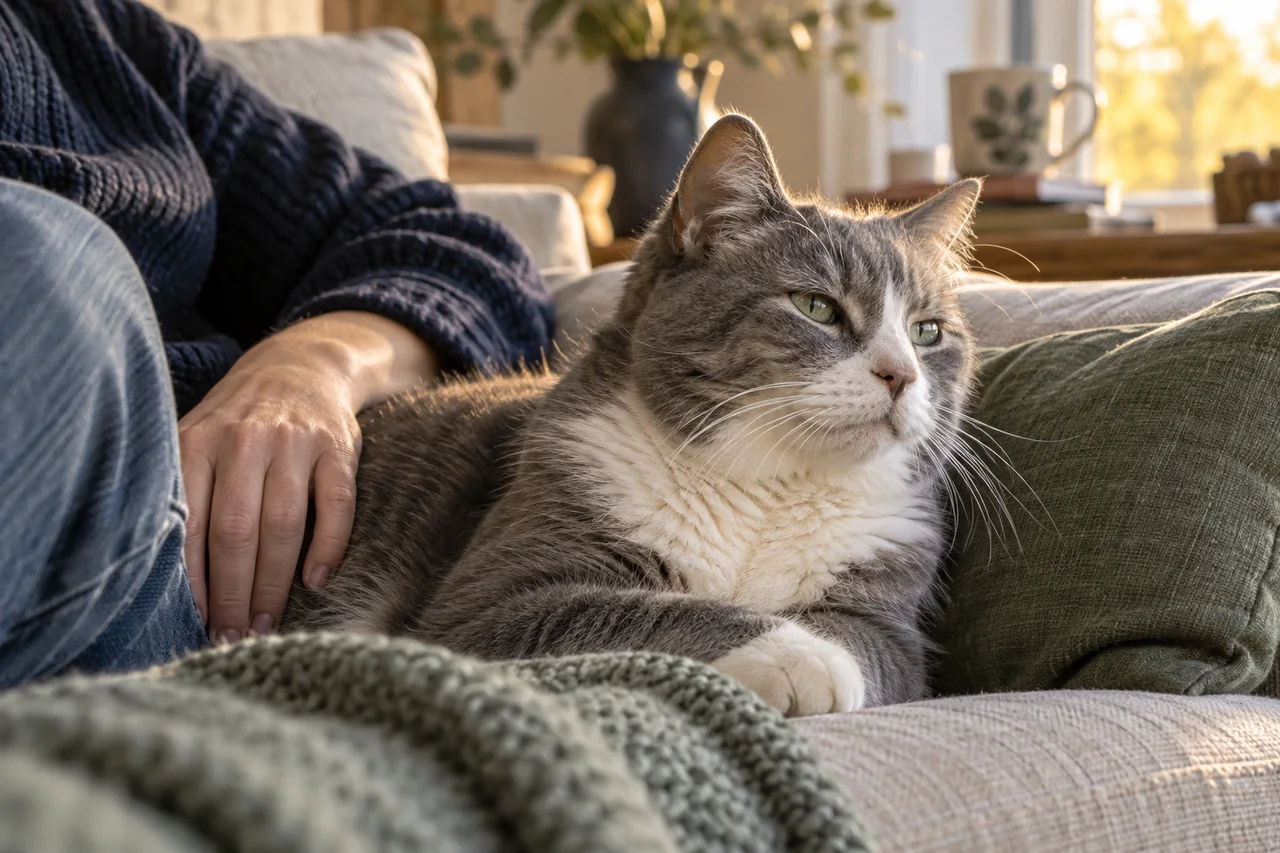
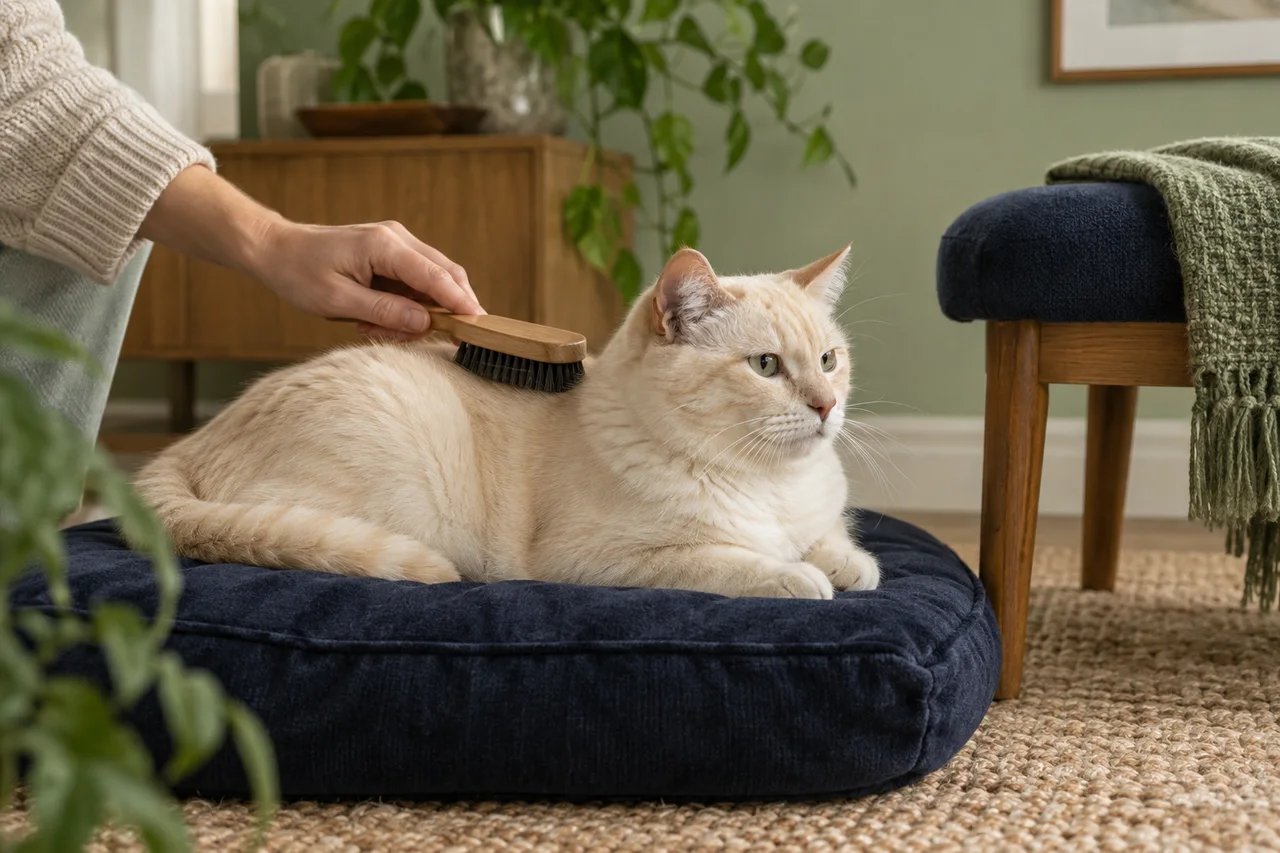
Include activities your cat still chooses and enjoys when discussing comfort.
Ask the team to explain palliative or hospice care if those approaches may be appropriate. Discuss what the goals would be, which symptoms or difficulties they aim to address, and what support would be available at home. Comfort-focused care still needs a veterinary plan, review, and a clear response if suffering is not adequately controlled.
Bring practical questions: how prescribed care is given, what handling is required, how often reassessment is needed, and whom to call at night. Ask what a proposed intervention may improve and what demands it places on the cat. Do not assume that more treatment always means better comfort, or that choosing comfort-focused care means doing nothing. The appropriate balance depends on the individual situation and should be discussed openly with the professionals responsible for the cat’s care.
A plan has to work for both the cat and the people carrying it out. Explain your work hours, physical limitations, available help, financial constraints, and whether necessary handling is distressing. These details allow the veterinary team to discuss realistic options and support. Hiding them can leave you struggling with a plan that looks possible on paper but cannot be delivered consistently.
Ask whether a veterinary nurse, experienced sitter, family member, or another service could help with an appropriate part of care. Clarify exactly which tasks require professional instruction. If several people share responsibility, agree on one version of the plan and a reliable handover. Caregiver exhaustion deserves attention, and needing support does not mean you care less. Raise difficulties early so the team can help you consider adjustments while keeping the cat’s comfort central.
 View image
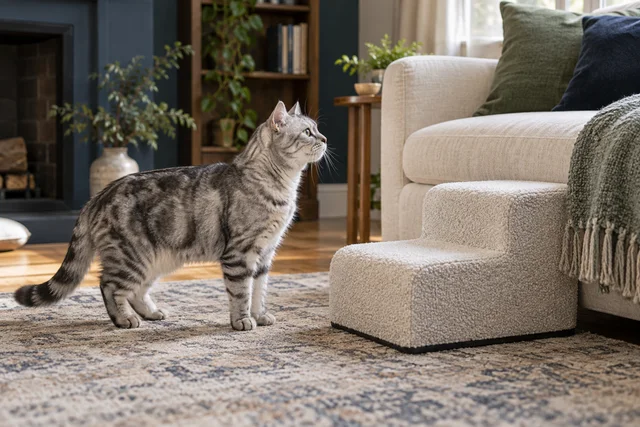
Explain the practical help your cat needs and which parts of care are manageable at home.
Ask which changes require immediate contact, what would indicate that the current plan is no longer meeting its goals, and how quickly the team can reassess the cat. Keep the relevant phone numbers, transport arrangements, and decision-maker details available to anyone providing care. Do not leave a sitter to infer what you would want from a vague instruction to “do what is best.”
An online checklist can organize observations, but its total cannot make an individual end-of-life decision. Discuss any assessment tool with your veterinarian and use it as a conversation aid. If distress or pain is not controlled, or breathing becomes difficult, seek help immediately rather than waiting for the next planned review or a score to cross a line. A thoughtful plan should make acting on the cat’s needs clearer when emotions are high.
If euthanasia may be the kindest option, ask the veterinarian to explain the procedure, available settings, what you may see, and how you can be involved. You can discuss these questions before making a final decision. Ask about practical arrangements and aftercare too, so administrative details are not a surprise during an already painful time. No single way of being present or saying goodbye suits every person or cat.
Anticipatory grief can begin while your cat is still with you. Family members may process the situation differently, and support from a pet-loss service or a trusted person can help. Keep disagreements connected to observations and veterinary guidance rather than asking one person to carry all uncertainty alone. The aim is compassionate care and relief of suffering, supported by people who understand the medical situation and the relationship you share with your cat.
A shared understanding of comfort is more useful than one isolated number.
Keep exploring the evidence.
AI-assisted educational content, with links to veterinary and animal-welfare resources. Not independently reviewed by a veterinarian. Sources are references, not endorsements of Coricat. Images are AI-generated illustrations, not clinical evidence.
Our editorial standards